
In short
- Rebrand for a strategic reason, never just because the logo feels old
- Start with positioning and target audience; the logo comes in step four
- The roll-out across all channels, from packaging to marketplace listings, takes more time than the design
Rebranding is renewing a brand’s identity: the name, the logo, the brand identity, the tone of voice or the positioning, or a combination of these. You do it when your brand no longer fits what you are or want to become, for example after a merger, a new target audience, a dated look or a name that causes confusion. A good rebrand starts with strategy, not with the logo, and runs in six steps from analysis to roll-out.
Most companies only think about rebranding when the logo feels “out of date”. That is rarely the real reason. You renew a brand because the outside no longer matches the inside: you now sell something different, to someone different, or in a different place than when the brand identity was created. In this article you will read when rebranding makes sense, how to approach it without losing your customers and what it costs.
Rebranding, restyling or refresh: the difference
A refresh is a light touch-up of the brand identity, such as a more modern typeface or adjusted colours, while the name and positioning stay the same. A restyling goes further and completely renews the logo and brand identity. A rebrand also touches the strategy: the name, the promise, the target audience or the positioning change. The deeper the intervention, the greater the risk of confusing customers and the more important a good roll-out becomes.
Not sure which of the three you need? Ask yourself one question: is what we promise still right, or only how it looks? If the promise is still right, a refresh or restyling will do. If the promise is no longer right, it is a rebrand.
Seven moments when rebranding makes sense
Rebranding makes sense when your brand no longer fits your offer, your target audience or your market. The most common triggers are a merger or acquisition, a new target audience or market, a dated look that costs you customers, a name that causes confusion or no longer covers what you do, a reputation problem, growth from local to national, and a product range that has shifted.
- Your offer has changed. You started with printing and now mainly sell web shops. Your name and brand identity still tell the old story.
- Your target audience has changed. From consumers to business customers, or from local to national. A different customer expects a different brand.
- Merger or acquisition. Keeping two brands side by side is expensive and confusing. One new brand is usually better than two half ones.
- Your name no longer covers what you do. In 2024 Bol dropped “.com” from its name because the brand had long been more than a website. Twitter became X when the company wanted to be something else.
- A dated look that demonstrably costs you customers. Not because you are tired of it, but because customers pass you by for a competitor that looks more professional.
- Reputational damage. Sometimes a new name is the only way to leave an old story behind. Only do this if you have actually changed something.
- Selling through marketplaces. On bol.com and Amazon you sit next to hundreds of competitors in a thumbnail a few centimetres wide. A brand that isn’t recognisable there loses the click.
Not a good reason: a new marketing manager, a competitor that just rebranded, or “we’re ten years old”. In those cases a refresh is usually enough.
Rebranding in six steps
A rebrand runs in six steps: analysis of brand, market and customer; strategy and positioning; brand story and tone of voice; visual identity with logo, colours and typography; a brand book with rules; and the roll-out across all channels. Designing the logo is step four, not step one. If you start with the logo, you are designing a coat without knowing who will wear it.
Step 1: analysis of brand, market and customer
What do customers think of your brand now, what do employees say, and what does the competition look like? Interviews, reviews and a look at the search results often paint a different picture than the boardroom. This is also the moment to decide what you keep: you don’t just throw away a name with twenty years of recognition.
Step 2: strategy and positioning
Who are you there for, what do you promise and how are you different from the rest? One sentence that everyone in the company can repeat. Everything that comes after, from colour to packaging, has to support that sentence.
Step 3: brand story and tone of voice
How does your brand sound? Formal or personal, informal or polite address, with or without a wink? Record it with examples, so a product description on bol.com sounds the same as the website and the newsletter.
Step 4: visual identity
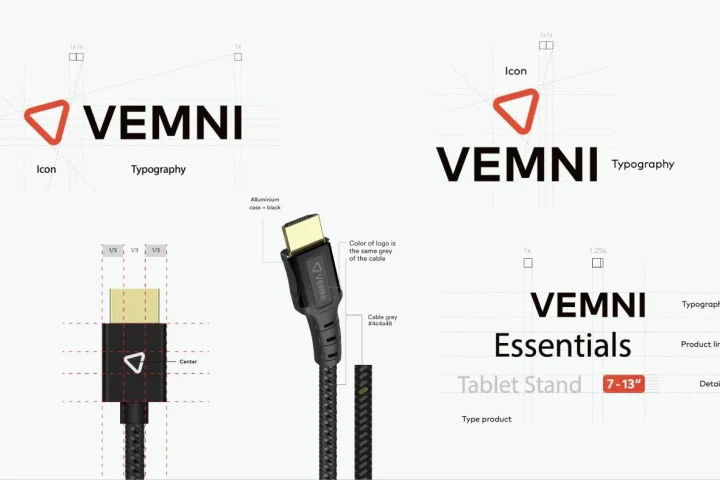
Only now come the logo, the colours, the typography and the imagery. Don’t design for the business card, but for the places where your brand is seen most: the product page, the marketplace thumbnail, the packaging, the social profile. Test the design at a small size and on a phone; that is where most of it falls apart.
Step 5: brand book and templates
A brand book describes the rules: logo use, colour codes, typefaces, image style and tone. Add templates for the things that come up often, such as product images, banners and social posts. That is what makes a rebrand scalable: everyone can work with it consistently without calling a designer every time.
Step 6: roll-out across all channels
Website, web shop, packaging, marketplace listings, social media, email signatures, company vehicles, Google Business Profile. Make a list, set an order and tell customers what is changing and why. A name change also comes with a new domain name with redirects and an announcement to your sales channels.
What does a rebrand cost?
The cost of a rebrand ranges from a few thousand euros for a new brand identity with brand book to tens of thousands of euros for a full project with research, strategy, name and roll-out. The biggest cost item is not the design, but the roll-out: packaging, product content, website, listings and printed matter all have to be redone. So include the roll-out in your budget from the start.
A few rules of thumb to keep the budget realistic:
- Design is roughly a third. The rest goes into strategy, content and roll-out.
- Packaging and marketplace content are the hidden cost items. A hundred products with new packaging, photos and listings cost more than the logo. With 3D renders and content templates we keep that manageable.
- Roll out in phases. First the channels where your customers see you most, then the rest. Using up old packaging stock is no shame.
- Don’t skimp on the brand book. Without rules, the new brand identity will be fragmented again within a year.
The five most common rebranding mistakes
Most rebrands go wrong at the same points: starting with the logo instead of the strategy, not taking customers along with the change, throwing away recognition built up over years, underestimating the roll-out, and forgetting to measure. Avoid those five and you have covered most of the risk.
- Starting with the logo. The logo is the result of the strategy, not the starting point.
- Surprising customers. Announce the change, explain why, and show that it is the same people and products.
- Throwing everything away. A colour, a symbol or a name with recognition is worth money. Keep what works.
- Underestimating the roll-out. A new logo on the website and an old logo on the packaging is worse than no rebrand at all.
- Not measuring. Decide in advance what you want to achieve, for example more recognition, a higher conversion rate or a new target audience, and measure it after six months.
Rebranding for web shops and marketplace sellers
For web shops and sellers on bol.com and Amazon, rebranding has an extra dimension: the brand has to work in a thumbnail, on a product page between competitors and on packaging that is opened at home. So design for the product page and the listing first, and adapt the rest to that. And make sure the new brand identity is set up in templates, so hundreds of listings are renewed in days instead of months.
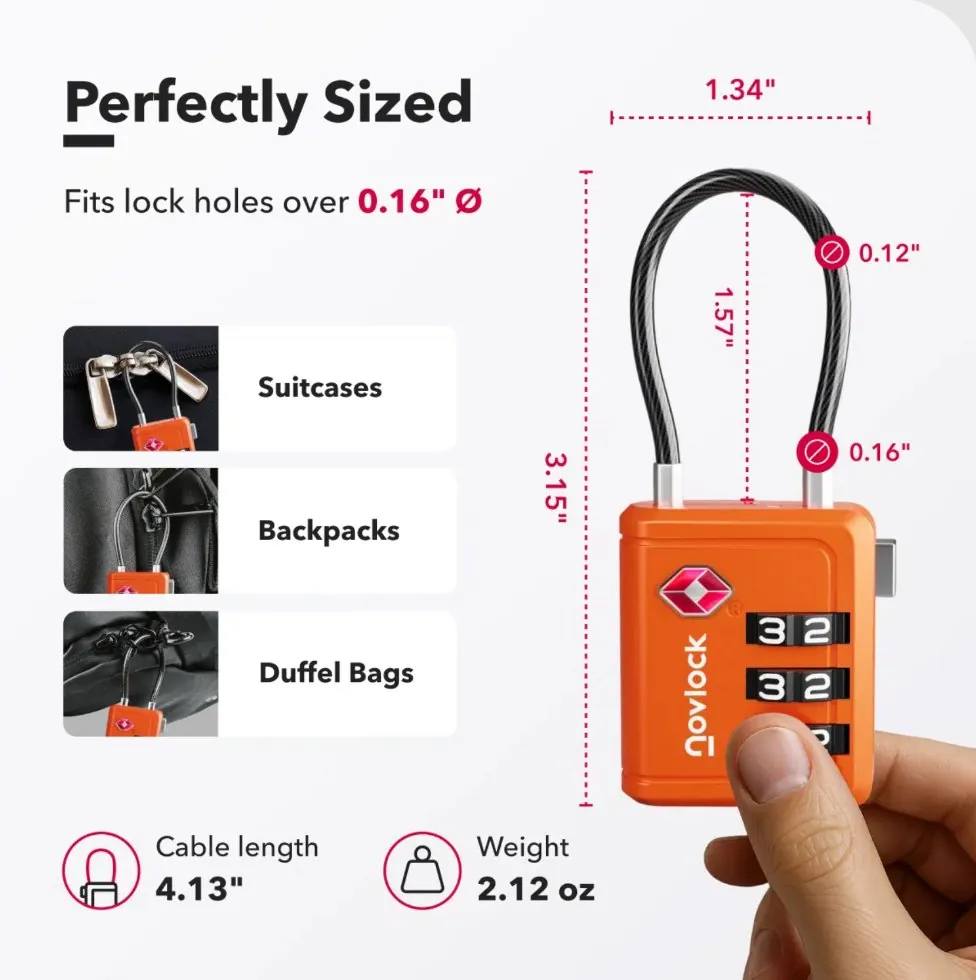
That is exactly what we at BrandMonks do most rebrands for. At Novlock, a new content line for Amazon, set up from templates in seven languages, delivered 43.5 per cent more conversion within a year. Not because the logo got prettier, but because the brand started doing the same thing everywhere.
Frequently asked questions about rebranding
What does rebranding mean?
Rebranding means renewing a brand’s identity: name, logo, brand identity, tone or positioning.
The Dutch word is “hermerken” or “merkvernieuwing”, but in practice almost everyone uses the English term.
How long does a rebrand take?
A rebrand usually takes three to six months, from analysis to roll-out.
A restyling of just the brand identity can be done in four to eight weeks. A name change with a new domain name, packaging and listings takes longer, mainly because of the roll-out.
Will I lose customers with a rebrand?
Not if you take customers along with the change and keep the recognition that works.
Announce the renewal, explain why, and keep the name, colour or symbol where you can. Most customers appreciate a brand that grows with them, as long as the people and the quality stay the same.
Do I also have to change my name when I rebrand?
No, most rebrands keep the name and renew positioning, brand identity and tone.
Only change the name if it causes confusion, no longer covers what you do or carries a reputation problem. A name with recognition is one of your most valuable assets.
What is the difference between branding and rebranding?
Branding is building a brand from scratch; rebranding is renewing an existing brand.
The steps are similar, but with rebranding you also have to weigh what you keep and how you take existing customers along. Read more about our approach on the page about branding.
A rebrand is a strategic choice, not a new logo
Rebrand when your brand no longer matches what you are or want to become, not because the logo feels old. Start with positioning and target audience, record the rules in a brand book and plan the roll-out across all channels from day one.
For web shops and marketplace sellers, there is more: design for the product page and the thumbnail, and set up the brand identity in templates. Then the renewal is not only better looking, but also faster to roll out and easier to maintain.
BrandMonks helps e-commerce brands from positioning to brand book and from packaging to marketplace listing. Want to know whether your brand is ready for a rebrand? Book an introductory call and we will look together at what is and isn’t needed.
Further reading
- Brand identity: the seven componentsThe explanatory question before branding: what a brand is and how you capture it.
- From logo to loyaltyHow recognition comes about and why consistency does more than a nice logo.
- Packaging designPackaging is often the most expensive part of a rebrand. This is how we handle it.

Melle Sikma
Helmsman
melle@brandmonks.nl