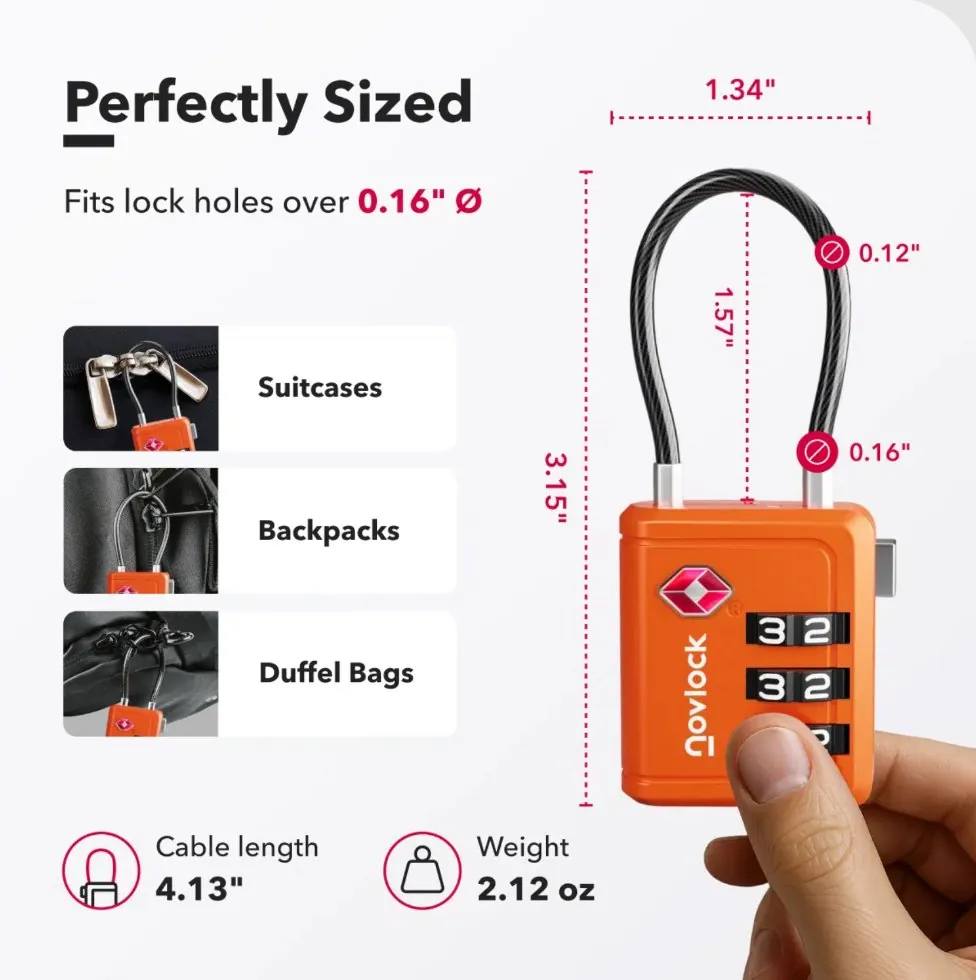

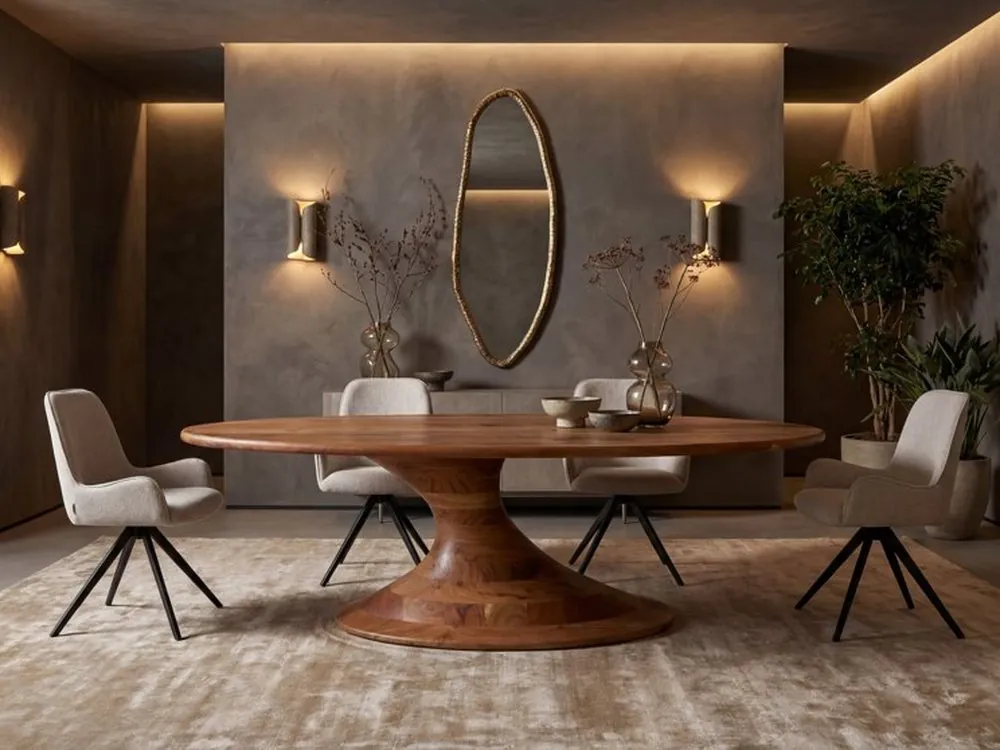
AI lifestyle images for products: when they really speed up e-commerce image production
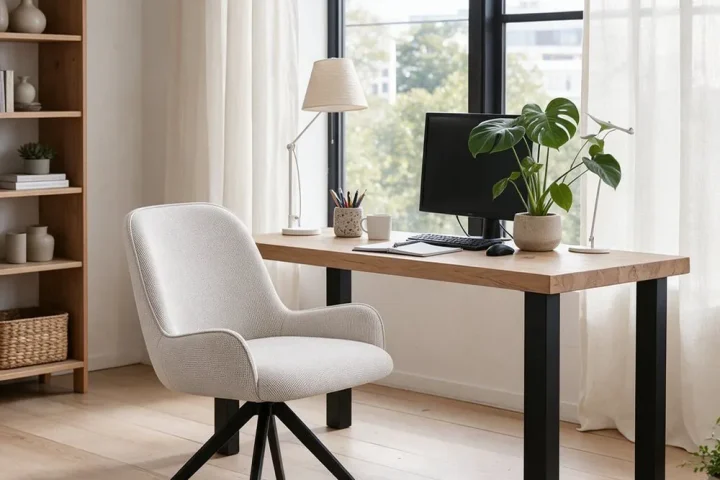
AI lifestyle images for products are only valuable when they do more than just look good.
A strong lifestyle image adds context, use or experience without making the product itself less clear, less credible or less consistent.
More and more e-commerce teams are looking at AI lifestyle images to create lifestyle shots, context scenes and campaign variants faster. That makes sense. For many products it is expensive and slow to plan a new shoot for every new setting, background or seasonal variant. Especially with broader ranges or products that need visual support in several places, AI quickly feels like an attractive alternative.
But with lifestyle images in particular, things go wrong fast when the e-commerce logic is missing. A lifestyle image can be visually impressive and still turn out commercially weak. For example because the scale is off, the material looks different from reality or the setting adds atmosphere but gives no usable product context. Then you do not have a strong product image, but an AI image that is mainly interesting in its own right.
That is why in this guide we do not look at tools or prompts as the main topic, but at usability. What makes a good AI lifestyle image for e-commerce. When does it work on product pages, in campaigns or on marketplaces. And how do you prevent speed from coming at the expense of product truth. For the broader framework, AI product visuals for e-commerce is a logical companion.
Why AI lifestyle images are something different from general AI images
The difference between an AI lifestyle image for e-commerce and an ordinary AI image is not in the technology, but in the job the image has to do. A general AI image mainly has to be visually interesting. An e-commerce lifestyle image has to do something else. It has to place the product in a credible context and at the same time keep it clear what exactly the visitor is buying.
That is exactly what makes this type of image harder than many teams expect. As soon as AI gets too much freedom, the product quickly shifts from lead role to set dressing. Then you get an image that has atmosphere, but no longer sells well. For example because the setting becomes too dominant, the composition pushes the product aside or the context suggests a use that does not really fit what you sell.
So a good AI lifestyle image does not work as a generic inspiration visual. It has to stay commercially readable. The visitor still needs to see quickly which product it is, how the product behaves in context and why that context is relevant. As soon as those three things no longer come together, the image becomes a distraction rather than support.
For e-commerce teams that is an important distinction. AI lifestyle images do not belong in the same category as stand-alone creative visuals for social content or branding experiments. They are part of product communication. That means they have to fit the product detail, the channel, the brand image and the wider image set they end up in.
What makes a good AI lifestyle image for e-commerce strong
At its core, a good AI lifestyle image for e-commerce does three things at once. It shows the product credibly. It adds context. And it stays visually consistent with the rest of your product presentation. If one of those three is missing, the image quickly feels decorative or unreliable.
Credibility starts with product truth. Shape, size, material, colour and proportions must match what someone eventually receives. That sounds obvious, but in AI lifestyle images this shifts easily. Packaging gets slightly different edges, a surface suddenly looks more luxurious than it is or a product seems bigger, softer or more technical than in reality.
Then comes context. A lifestyle image has to add something that a functional product image does not already show fully. For example use, surroundings, scale, audience fit or a certain mood in which the product feels natural. Without that extra layer you might as well stick with a cleaner product image.
Finally, the image has to fit within the whole image set. If your main images are clean and functional, but your lifestyle images suddenly look extremely stylised or artificial, you get visual friction. The product then does not feel like the same product in a different context, but like a different visual world. For the broader requirement of consistent output, consistent product images for large ranges is a logical companion.
Which source images and input you need for better AI product scenes
AI lifestyle images rarely get better than their starting point. That does not mean you always need perfect studio photography, but it does mean the quality of your source image, crop and product reference feeds directly into the credibility of the scene. The vaguer or sloppier the starting point, the bigger the chance that AI fills in details in ways that become commercially unusable.
A good starting point usually includes:
- a product image in which shape and material are clearly readable
- enough resolution to keep product details intact
- a clear reference for colour, texture and proportion
- a clear choice for the role of the lifestyle image: use, context, scale or mood
It also helps to decide in advance what the scene should not do. Should the product stay central. May the background be pronounced or not. Is realism more important than style. Should the context feel premium, be practical or support a season. The sooner those choices are fixed, the smaller the chance that AI gives a visually interesting but commercially wrong answer.
That is exactly why AI lifestyle images belong in a workflow and not in a one-off prompt test. Good input is not just technical material, but also direction on content.
AI lifestyle images versus packshots: when to use which
A lot of confusion around AI product images arises because lifestyle images and packshots are used interchangeably. Yet they have different jobs. A packshot is mainly functional. It has to show the product clearly, calmly and in a way that is instantly readable. A lifestyle image adds context, experience or a story of use.
If you want a visitor to grasp quickly what the product is, which variant they are seeing and which details matter, a packshot or other functional product image is often stronger. For that image logic, creating AI packshots is a logical companion. Lifestyle images only become valuable when the product is already recognisable enough and extra context really helps.
That usually makes lifestyle images more suited as a second layer than as a first layer. On a product page they can add depth after the main image and key information are already clear. In campaigns they can help make use, audience fit or brand feel visible faster. But as soon as they have to take over the basic job of product clarity, they become problematic more quickly.
The practical rule of thumb is simple: use a lifestyle image when you want to add context, not when you still need to solve product clarity. If you guard that distinction, you prevent AI lifestyle images from getting the wrong role on the page or in the image set.
Where AI lifestyle images work on product pages, in shops and on marketplaces
AI lifestyle images work best in places where context adds something to understanding or persuasion. On product pages they can be strong as an additional image type. For example to get size, application, feel of the material or situation of use across faster. Especially for products where atmosphere, interior, styling or everyday use play a role, this helps shrink the step from technical understanding to preference.
In your own web shop or brand shop you usually have the most room to use such images logically. There you can let main images, detail images and lifestyle images work together as a set. Then a lifestyle image does not have to prove everything, but can be given a clear supporting role.
On marketplaces things are often different. There the visual space is more functional and main images are usually much more tightly regulated. That does not mean AI lifestyle images are useless there, but it does mean they often have a smaller or different role. Think rather of additional listing images, brand content or supporting context, not of replacing the core logic of the main image.
That is exactly why the choice of channel should always count when judging a lifestyle image. A scene that works perfectly in a rich brand context can be too story-driven, too busy or too indirect for a marketplace environment. That channel difference matters a great deal for teams that want to use AI not only creatively, but also correctly from a commercial point of view.
Where AI lifestyle images go wrong without quality control
AI lifestyle images usually do not go wrong because they are ugly, but because they convince in slightly the wrong way. The product then looks just a bit too big, the material just a bit too smooth, the lighting just a bit too luxurious or the situation of use just a bit too ideal. To a human eye that can still look like a good image. For e-commerce that can be exactly the problem, because it creates expectations your real product does not fully meet.
That risk sits on several levels:
- product scale does not match reality
- material or texture looks different from the real product
- reflections, edges or shapes distort subtly
- the scene suggests a use or property that has not really been proven
- the brand feel shifts because of a style that is too generic or too trendy
That is why AI lifestyle images must always be judged as product communication and not just as images. The question is not only whether it looks good, but whether it tells the right story without making the wrong promises. For the broader question of whether AI can replace traditional image production, AI as an alternative to product photography is a logical companion.
A good review moment therefore looks at product truth, context logic and channel fit at the same time. As soon as a team skips that, the chance grows that AI lifestyle images produce faster visually, but actually introduce more doubt commercially.
How to keep AI lifestyle images consistent across product groups
One strong lifestyle image is not yet a workable system. The real challenge starts when several products, categories or campaigns all need AI scenes. Then consistency becomes more important than individual creativity. If every image has a different lighting language, setting, styling or degree of realism, the range quickly feels visually fragmented.
Consistency usually does not come from making everything exactly the same, but from using fixed ground rules. Think of:
- fixed image roles per product group
- a limited number of scene directions per channel
- a clear line between premium, neutral and campaign images
- fixed checks on colour, scale and how material is shown
- repeatable choices in background, props and camera angle
For larger ranges this is not optional. Then you need to be able to judge whether a new lifestyle image still fits within the visual line of existing product groups. For that broader operation, scaling product visuals with AI is a logical companion. This lifestyle image page focuses mainly on the context layer, but that layer does have to be able to run within a bigger system.
From product image to usable scene: a workable e-commerce workflow
A good workflow for AI lifestyle images does not start with “make something nice”, but with the question of which context this product needs. Only then do you choose the form of the scene. Should the image clarify scale. Show use. Set a mood. Or mainly help people see the product more attractively in a relevant environment.
A workable flow usually looks like this:
- choose a usable source image or clear product reference
- decide the role of the lifestyle image within the whole image set
- define which context makes commercial sense for the product and channel
- generate scenes within fixed quality and style frameworks
- check the output for product truth, brand fit and channel suitability
- only approve images that really add something to the product presentation
For product families or visual extensions towards new versions, this flow also touches on variant logic. Then it is important that lifestyle images do not become detached from differences in colour, contents or version. For that use case, rolling out variants visually without a new shoot is a logical companion.
Comparison: a weak AI lifestyle image versus a strong AI lifestyle image
The difference below shows clearly why some AI lifestyle images add context and others mainly cause extra noise.
| Element | Weak AI lifestyle image | Strong AI lifestyle image | Why this works better |
|---|---|---|---|
| Product depiction | Product shape or material deviates subtly | Product stays recognisable and credible | Less chance of the wrong expectations |
| Context | Nice setting without clear relevance | Context clarifies use, scale or audience fit | Scene helps the visitor understand faster |
| Role in the image set | Tries to be main image and lifestyle image at once | Supports the existing image logic | Less visual confusion |
| Channel fit | Same scene for every channel | Scene fits the shop, product page or marketplace channel | More commercial usability |
| Style | Each image has a different atmosphere or lighting language | Scenes follow fixed style rules per product group | More brand consistency |
| Control | Image is approved because it looks good | Image is judged on product truth and function | Better balance between speed and reliability |
Frequently asked questions about AI lifestyle images for products
What are AI lifestyle images for products?+
AI lifestyle images for products are context or lifestyle images in which AI places a product in a situation of use, an environment or a visual setting. They are meant to add more experience or context than a functional product image can on its own.
How do you create lifestyle images for products with AI without them looking fake?+
By starting with clear product references, realistic choices of context and tight quality control on scale, material and brand fit. Without that combination, AI lifestyle images quickly become too generic or not credible.
When do you use AI lifestyle images and when packshots?+
Use lifestyle images when context, use or experience really adds something. Use packshots when product clarity, detail and channel fit come first. Usually both work best as part of the same image set, with a clear division of roles.
Do AI lifestyle images work on product pages?+
Yes, especially as an additional image type. They work best when the main image and product clarity are already in good shape and the lifestyle image then adds extra context or persuasion.
Are AI lifestyle images suitable for marketplaces?+
Sometimes, but usually in a more limited role than in your own shop. On marketplaces the output has to match clarity and channel rules much more tightly. That makes lifestyle images less freely usable there than in a rich brand context.
How do you keep AI lifestyle images consistent across large ranges?+
By using fixed image roles, style rules, quality checks and review moments. That way you prevent every new image from introducing a different visual language while products still need to fit within the same brand and channel logic.
Conclusion: AI lifestyle images only work when context, product and channel line up
AI lifestyle images for products are only valuable when they do more than add visual atmosphere. They have to place the product credibly in context, without losing product truth, channel fit or brand consistency. Then they do not just help create better-looking images, but make product communication genuinely stronger.
That is also where the real gain lies for e-commerce teams. Not in endless experimenting with one-off scenes, but in a workable approach in which lifestyle images have a clear role within the whole image set. Want to translate that to your own product images, scenes and image flow? Then book an intake call.

Melle Sikma
Helmsman
melle@brandmonks.nl