

The complete guide to effective visual communication
What do you need to know when you have infographics made?
Making a professional infographic for product images takes careful planning and clear communication. It starts with setting your goals and ends with distributing your infographic. Infographics are an excellent way to improve product images and present important information in a visually attractive way. Whether you want to explain the features of a new product, give instructions for use or highlight the benefits of your product, a well-made infographic can get your message across clearly and concisely. In this guide we discuss the main steps and considerations when having a professional infographic made for your product images.
- Why good infographics matter
- The right designer
- Different types of infographics
- Attractive infographics
Why do good infographics matter?
The importance of good infographics cannot be overstated, especially at a time when information overload is a daily challenge for businesses and consumers alike. Here are a few reasons why good infographics are invaluable:
1. Communicating Complexity Effectively
Infographics are ideally suited to communicating complex information in a simple and understandable way. By using visual elements such as charts, pictograms and images, infographics can translate difficult concepts into easy-to-understand pieces of information.
2. Better Memory Retention
People are naturally visual, which means they remember visual information better than text. By presenting information in the form of an infographic, you increase the chance that your audience remembers the message and thinks back to it later.
3. More Engagement and Shareability
Visually attractive content, such as infographics, catches people’s attention and encourages them to engage. It is shared more often on social media and other platforms, so your reach can grow exponentially and your brand or message spreads further.
4. Better Information Processing
Infographics use the power of image and text together, so information can be processed on several levels. That leads to a deeper understanding and a more complete absorption of the information presented.
5. Strengthening Brand Identity
Well-designed infographics can not only convey information, but also leave a positive impression of your brand or business. By consistently using your brand colours, fonts and style, an infographic can become a valuable part of your branding strategy.
6. Better Sales and Marketing Results
Infographics can be used to present product features, benefits and statistics in an attractive way, which makes them particularly effective in marketing and sales material. They can increase consumer trust and help people make buying decisions.
The right designer for infographics
Choosing the right designer is one of the most important steps when having an infographic made. Look for a designer or agency with a strong portfolio and good references.- Portfolio: Look at their previous work to see whether their style fits your vision.
- Experience: Choose someone with experience in your specific industry or type of infographic.
- Communication: Make sure they communicate well and can understand your vision and turn it into a design.
Different types of infographics
- Informative Infographics
- Statistical Infographics (Data Visualisation)
- Timeline Infographics
- Comparison Infographics
- Geographical Infographics (Maps)
- Process Infographics
- Infographics for Social Media
- Interactive Infographics
Attractive infographics for your product
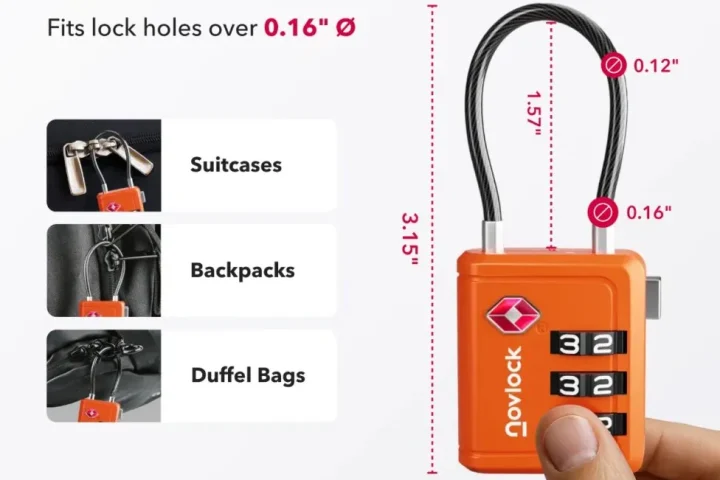
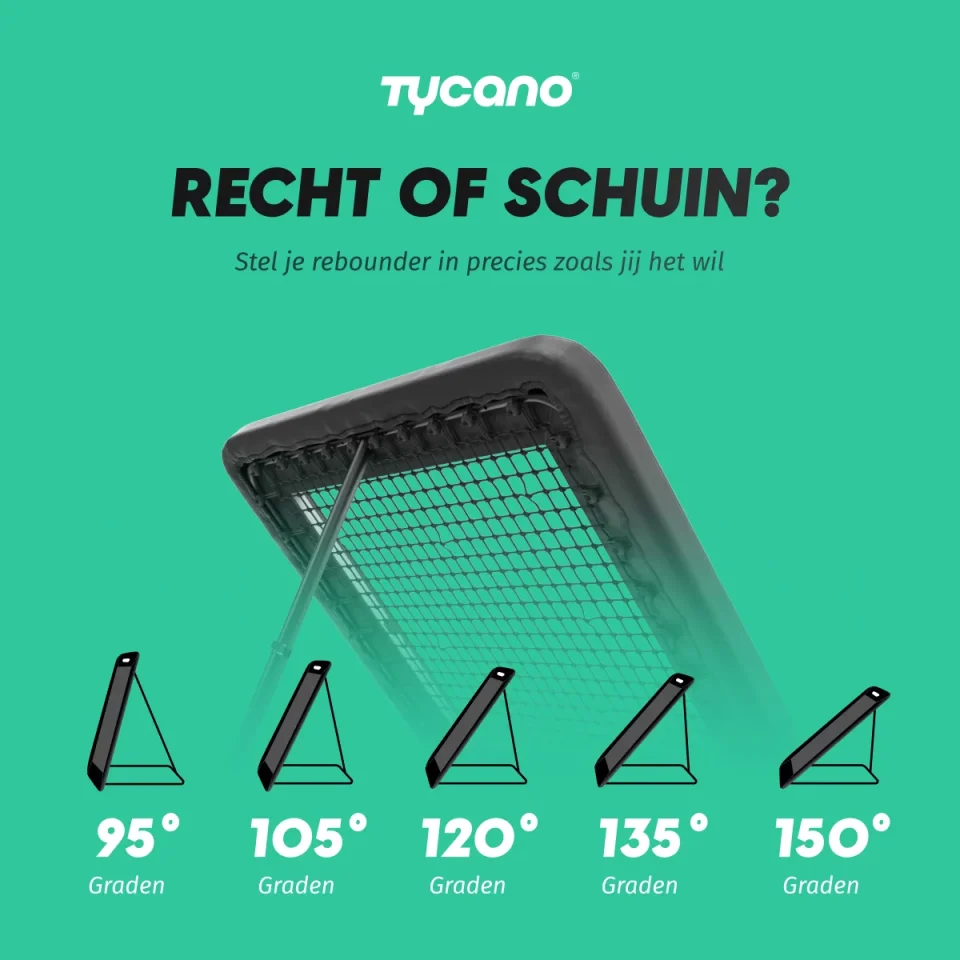
By integrating infographics into product images, brands can communicate the features, benefits and applications of their products in a powerful way. These visual elements not only offer an attractive presentation, but also help potential customers understand important information quickly and easily. Whether it is illustrating use scenarios, comparing product options or showing technical specifications, infographics offer an effective way to highlight the value of the product and increase customer engagement.
Keep the following design principles in mind
Colours and typography:
Use colours and fonts that suit your brand and make the text easier to read.
Visual hierarchy:
Make sure the most important information stands out.
Balance between text and visuals:
Use visuals to support and clarify text.

Melle Sikma
Helmsman
melle@brandmonks.nl