

The rise of Joybuy as a serious retail challenger in the Netherlands
Selling on Joybuy means that businesses offer their products through the e-commerce platform of the international retail giant JD.com, which in Europe works closely with the pick-up points and logistics of Ochama. Its main distinguishing feature is the combination of an online marketplace with a dense network of physical pick-up locations. This hybrid model gives Dutch retailers direct access to an optimised logistics chain and a growing consumer base.

Over the course of 2026, the Dutch retail market is witnessing a strategic shift. Where Ochama used to be known mainly as a local pick-up concept, it now acts as the logistics backbone for the broader JD.com ecosystem. In 2026, consumers increasingly choose this platform for its reliability and speed of delivery, areas where purely price-driven foreign providers often fall short. This development offers opportunities for Dutch businesses that want to broaden their sales channels. The synergy between online shopping and physical pick-up points creates an efficient buying experience that matches modern consumer needs.
What to remember above all
The key points from this article, brought together in a more visual overview.
- Growth of the range to more than 150,000 products
- Focus on quality and reliability over a pure price-fighter mentality
- The transition from Ochama to the full ecosystem in 2026
A key factor in this market shift is changing legislation around international e-commerce. From 1 July 2026, the exemption from import duties for shipments of up to 150 euros from outside the European Union will be abolished for good. This forces international platforms to rethink their logistics strategy and focus more strongly on local European storage. JD.com has anticipated this by setting up four large distribution centres in the Netherlands. For Dutch 3P (third-party) sellers this opens doors: they can position their local stock in a network that guarantees fast last-mile delivery. As a result, businesses that want to start selling through foreign marketplaces can largely bypass the operational complexity of cross-border logistics.
Besides logistics challenges, technological and legal frameworks also play a big part in success on this platform. Large e-commerce platforms make intensive use of automated systems for product recommendations and pricing. Since the introduction of the European rules for safe AI, these systems have to meet strict transparency requirements. This affects how products are categorised and shown to consumers. To stay visible in this dynamic environment, a well-thought-out e-commerce strategy is necessary. Professional support with marketplace optimisation helps businesses align their product data perfectly with the platform’s algorithms, which increases the chance of conversion.
What is and why is the JD.com platform so important?
The JD.com platform, closely intertwined in Europe with Ochama’s logistics infrastructure, is an e-commerce ecosystem focused on quality, reliability and fast local delivery. For businesses considering selling on Joybuy (JD.com’s international sales channel), this platform matters because it bridges the gap between large-scale Asian production and the strict quality requirements of European consumers. By using local distribution centres and physical pick-up points, the platform offers a reliable alternative to traditional, purely price-driven marketplaces.
Unlike platforms such as AliExpress or Temu, which mainly work with direct shipping from Asian distribution centres, JD.com uses a hybrid model. This model combines an online marketplace with a dense network of physical pick-up locations in the Dutch retail market. As a result, consumers benefit from fast delivery times and a transparent returns process. For sellers, this means they can offer their products within a structure that meets local standards and actively encourages consumer trust. Obtaining a quality mark, such as the Thuiswinkel Waarborg, can play an important part in further confirming reliability to Dutch consumers.
The need for such a local logistics approach is reinforced by far-reaching changes in European legislation. From that date, import duties, import VAT and clearance costs apply to all import shipments, with the exact amount depending on the product’s specific Taric code and customs value. This change in the law makes direct shipping from China to European consumers more complex and more expensive. Platforms that already have a European network of distribution centres become even more important for businesses that want to maintain or expand their international market position.
Thanks to its strict selection procedure and quality control for external sellers, the platform sets itself apart from competitors that check less strictly for product safety and intellectual property. This creates a healthier competitive environment on the marketplace. Businesses that meet the quality requirements can position themselves effectively for a target audience that is willing to pay for fast delivery and guaranteed product quality.
The sales process on Joybuy and how to register your products

The sales process on Joybuy runs through a structured onboarding in which businesses choose between a 1P model (first-party supplier) and a 3P model (external seller on the marketplace). To get off to a successful start, companies go through a strict Risk Control verification and have to meet specific requirements for product data and logistics capacity. Careful preparation of these steps is important to gain access to the JD.com e-commerce ecosystem.
Choosing between the 1P and 3P sales model
At the start of the process, businesses make a strategic choice between two different sales models. In the 1P model (First-Party), a brand acts as a direct supplier to JD.com. The platform buys the stock, sets the selling price and takes care of logistics and customer service. This model is particularly suitable for established brands with large volumes. The 3P model (Third-Party) works like a traditional marketplace. Here the seller keeps control over pricing, product presentation and stock, while optionally using the platform’s European logistics distribution centres for delivery.
The verification procedure and onboarding for new sellers
The admission process sets strict requirements for the reliability of partners. During onboarding, the Risk Control department carries out an extensive check of the submitted company documents, intellectual property rights and product certificates. Having a local European entity speeds up this verification procedure considerably. It simplifies the administrative check and increases the confidence of the platform’s auditors. In addition, the product data and logistics integrations have to connect smoothly to the marketplace’s systems to guarantee a stable stock indication.
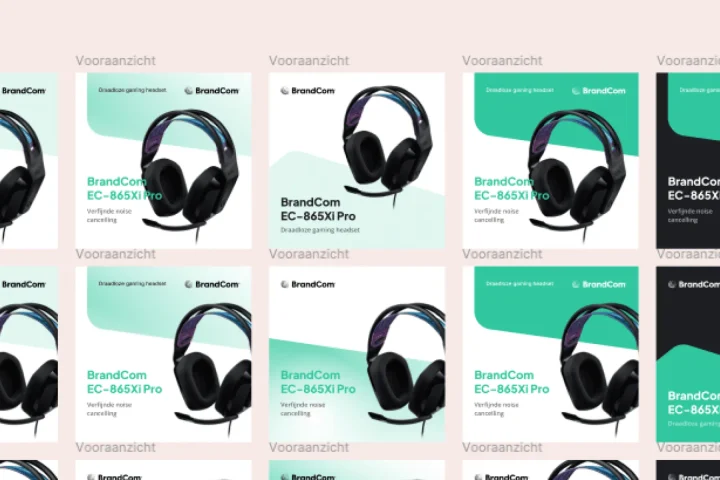
For Dutch brands that want to sell on Joybuy and expand their e-commerce activities, a structured approach to product information is vital. This includes not only correct translations, but also optimising the visual presentation and the technical specifications. Structuring this data requires precision, much like the way specialists design successful product listings to maximise conversion and findability on large platforms. By meeting the strict quality requirements of onboarding, businesses lay a solid foundation for a successful marketplace strategy within the European retail market.
The logistics advantage of the JD.com distribution network

JD.com’s logistics network offers businesses selling on a strong infrastructure within the Dutch retail market. By using the advanced, automated distribution centres in the Netherlands, sellers can benefit from fast last-mile delivery and an efficient network of pick-up points via Ochama. This increases the reliability of the delivery promise and significantly supports the conversion of product listings.
Local distribution centres and the impact of changing import rules
The physical infrastructure in the Netherlands consists of four large distribution centres that are fully set up for automated logistics. This local presence is becoming increasingly important due to changing legislation. This change forces platforms and sellers to store stock locally in Europe. By placing products in JD.com’s Dutch distribution centres in advance, businesses avoid delays at customs and can guarantee consumers fast and reliable delivery.
Efficient last-mile delivery and customs obligations
For Dutch SMEs doing business with China, transport, import, export, payments and product requirements are key points of attention (KVK). When importing goods, the product’s Taric code determines the calculation of import duties. In addition, the customs value of the shipment, import VAT and any clearance costs play a big part in calculating the total cost price. A structured logistics approach is therefore important. Businesses that want to streamline their processes can get support with marketplace optimisation and setting up an efficient e-commerce strategy through the specialist services of Brandmonks. This helps the logistics chain connect smoothly to the platform’s strict requirements.
Product listing optimisation for maximum visibility on
Selling successfully on requires a strategic shift from purely price-driven offers to inspiration-driven product listings. Because there is no official, public documentation on exactly how the buy box works, it is unwise to blindly copy Amazon-specific algorithm rules. Instead, the key to better visibility lies in optimising the mobile interface with high-quality, localised content and consistently collecting positive customer reviews.
Content creation that matches the Dutch consumer
The e-commerce market is moving more and more towards social commerce, where consumers make decisions based on visual inspiration rather than just the lowest price. For an effective product listing, it is important to tailor product descriptions fully to the Dutch market. This means not just a flawless translation, but also answering the specific questions that matter to the local target audience. In addition, imagery plays a decisive part in conversion. By using professional visual content, such as detailed 3D design and product mock-ups, consumers get a realistic picture of the product. This lowers the barrier to purchase and can help reduce the number of returns.
Algorithm factors and buy box dynamics
Many e-commerce businesses wonder how they can win the buy box on this platform. Although exactly how the algorithm behind the buy box works has not been made public, general e-commerce principles point to a number of key factors. A seller’s performance, such as speed of delivery and the quality of customer service, weighs heavily in the platform’s assessment. By storing stock locally in JD.com’s Dutch distribution centres, delivery time can be shortened. This supports customer satisfaction and can increase the chance of a more prominent position within the app. Analysing data insights helps to adapt listings step by step to consumers’ search behaviour.
Versus the established order and the opportunities for your brand
The e-commerce market in the Netherlands is undergoing a shift due to the rise of platforms that use a hybrid model of online retail and local logistics. Where established domestic marketplaces traditionally rely on a broad, local sales network, the ecosystem behind offers a direct link to the logistics power of JD.com and physical pick-up points. For Dutch brands that want to sell on Joybuy, this creates a strategic opportunity to reach a target audience that is price-conscious, but at the same time values fast, reliable delivery via European distribution centres.
Strategic risk spreading in the e-commerce channel mix
Spreading sales channels is an important part of a healthy e-commerce strategy. By not depending solely on the established order, businesses reduce the risks of changing commission structures or stricter platform rules. Moreover, from 1 July 2026 the exemption from import duties for shipments from China of up to 150 euros will be abolished. This change in the law forces international platforms to rely more heavily on local European distribution centres, including JD.com’s four large distribution centres in the Netherlands. This offers a unique advantage for local 3P sellers who already operate within Europe and can deliver quickly.
Unlike platforms that compete purely on the very lowest price at the expense of delivery time, this ecosystem focuses on a quality positioning. Consumers increasingly look for a balance between sharp prices and the certainty of fast handling. Businesses can make use of this market position by segmenting their product offer in a targeted way and allocating specific stock locally. To set up these channels effectively, support with marketplace optimisation can help maximise findability across the different platforms.
Comparing platform features in the Dutch retail market
To determine the strategic position of different sales channels, it is useful to compare the features of the established order with those of the emerging hybrid platform model. The table below shows the main differences in logistics, target audience focus and market approach.
| Feature | Established domestic platforms | Emerging hybrid platform (/JD.com) |
|---|---|---|
| Logistics infrastructure | Centralised domestic distribution centres and external parcel services. | Own European network of distribution centres combined with physical pick-up points. |
| Target audience focus | Broad domestic consumer market with a focus on service and well-known brands. | Price-conscious consumers who value quality and fast local handling. |
| Sales model | Strong focus on local 3P sellers and established retail partners. | Integration of international trade flows with strong opportunities for local partners. |
| Impact of 2026 legislation | Minimal direct impact from the new import rules for shipments under 150 euros. | Strong incentive to use local European stock and 3P sellers. |
When importing and trading through international platforms, the Taric code and the customs value always determine the calculation of import duties and VAT. By choosing a multi-channel strategy that combines both established domestic channels and emerging hybrid networks, brands build a future-proof market position in the Dutch retail market.
Growing strategically on new marketplaces with Brandmonks
The shifts in the e-commerce landscape offer opportunities for brands that dare to pioneer on emerging platforms. Because of the changing legislation in 2026, which abolishes the exemption from import duties for shipments under 150 euros, international platforms are forced to shift their focus to local European distribution centres. This opens the door for Dutch businesses that can deliver quickly and reliably from their own stock. Selling successfully on or similar hybrid networks does, however, call for a well-thought-out approach in which logistics processes and product data connect smoothly.
To win a strong position on these new channels, marketplace optimisation is vital. This includes not only structuring product information, but also managing stock and pricing strategically. Brandmonks helps with product information, listings and images that meet the platform’s requirements, and can also manage your account if you wish. Stock and prices stay with you. By setting up the technical integration and content quality properly from the start, early adopters can gain a stable competitive advantage within the changing Dutch retail market.
Frequently asked questions about selling on
Is selling on reliable for Dutch businesses?+
Yes, selling on gives access to a reliable infrastructure because the platform is part of JD.com, one of the largest e-commerce companies in the world.
JD.com is known internationally for its strong logistics network and strict quality control. In the Netherlands, the parent company’s presence is visible through the retail concept Ochama, among other things. This network can offer a stable base for Dutch sellers who want to reach consumers through this ecosystem. With its focus on authenticity and fast delivery via local distribution centres, the platform sets itself apart from purely price-driven alternatives. This can increase consumer trust, which can benefit the conversion of local partners.
What are the costs of selling on Joybuy?+
The costs of selling on Joybuy usually consist of a combination of fixed monthly subscription costs, commissions per product sold and any logistics service costs.
The exact commission percentages vary per product category and in most cases lie between 2% and 8%. In addition, you have to take into account transaction costs and any costs for using the platform’s storage and shipping services. Because rates and conditions can change periodically, it is wise to analyse the current rate structure thoroughly in advance. This helps to calculate margins accurately and set a healthy pricing strategy.
How do logistics work through the JD.com network?+
Logistics through the JD.com network largely run via automated distribution centres, where sellers can choose between their own storage or outsourcing to the platform.
JD.com has several large, high-quality distribution centres in Europe, including in the Netherlands. When you choose the platform’s logistics services, you store your stock in these local centres. As soon as a customer places an order, the product is processed and shipped directly from the nearest warehouse. This can contribute to a fast delivery time and makes it possible to use the dense network of pick-up points, which can increase customer satisfaction.
Can I use my own carrier for delivery?+
Yes, in most cases it is possible to work with your own carrier, provided it meets the platform’s delivery conditions and integration requirements.
Although using JD.com’s own logistics network is often recommended for an optimal buyer experience, sellers keep the freedom to select their own logistics partners. This can be handy for businesses that already have favourable contracts with parties such as PostNL, DHL or DPD. What matters is that the tracking information is correctly linked to the platform, so customers can follow their order accurately and delivery times are strictly met.
Which product categories perform best on this platform?+
Products in the categories electronics, personal care, baby products and high-quality consumer goods generally perform best on this platform.
Consumers who shop through this ecosystem are often specifically looking for quality, authenticity and fast delivery. European and especially Dutch products have an excellent reputation for safety and reliability. Well-known brands in the cosmetics, food supplements and household appliances segments in particular perform very well. By focusing on these strong product categories and ensuring excellent product presentation, sellers can increase their chances of success.
Sources and fact check
The claims and figures have been checked against these external sources.
- The impact of the Digital Services Act on digital platformsWhy do consumers choose this platform in 2026?
- EU funding opportunities for the news media sectorWhy do consumers choose this platform in 2026?
- E-commerce in Spain | KVKWhy do consumers choose this platform in 2026?
- VAT rules for e-commerce in the EU (KVK)Why do consumers choose this platform in 2026?
- Selling through foreign marketplaces (KVK)Why do consumers choose this platform in 2026?
- Calculating import duties when importing from China (KVK)Import duties, import VAT and clearance costs may apply to imports from China into the Netherlands.
- Doing business with China, what you need to know (KVK)For Dutch SMEs doing business with China, KVK names transport, import, export, payments and product requirements as relevant points of attention.
- What is Azure Event Hubs: real-time data streaming platformWhy do consumers choose this platform in 2026?
- Steps to open a developer accountWhy do consumers choose this platform in 2026?

Melle Sikma
Helmsman
melle@brandmonks.nl