
Listing design in 2026: why ‘pretty’ is no longer enough
The days when a white background and three bullets were enough for a sale are long gone. Consumers scroll, scan and swipe faster than ever. If your product listing does not grab and hold attention within two seconds, you have lost the visitor to a competitor.
In 2026 listing design is not about adding bells and whistles, but about removing friction. It is about the psychology behind the click. How do you translate a physical brand experience to a digital screen? And how do you make sure you meet the ever stricter requirements of platforms and legislation? We look beyond the hype and focus on the strategic shifts that have a direct impact on your conversion and brand value.
In this article
- The shift from static to dynamic
- Trend 1: Immersive content (AR & 3D)
- Trend 2: Hyper-relevance through AI
- Trend 3: The hard requirement of digital accessibility
- Conclusion: your action plan for tomorrow
The shift from static to dynamic
Many web shops and brand pages on Bol.com or Amazon still feel like a paper catalogue that has been digitised. That no longer works. Thanks to the influence of platforms such as TikTok and Instagram, consumers have grown used to moving images and instant visual feedback. A static image no longer tells a story; it just shows an object.
The winners in 2026 are the brands that treat their listing like a landing page. That means a clear visual hierarchy, content that takes the visitor by the hand and answers questions before they are asked. The goal is not just to ‘show’, but to ‘let people experience’.

Trend 1: Immersive content (AR & 3D)
Interaction has to be functional. We see an enormous rise in demand for ‘rich content’ that takes away the buyer’s uncertainty. After all, the biggest barrier to buying online is still: “Is this really what I am looking for?”
This is where 3D and Augmented Reality (AR) come in. Not as a gadget, but as a conversion tool. Think of an ‘exploded view’ animation that shows, as you scroll, how a complex device is put together, or AR applications that let a customer place a piece of furniture straight into their living room. This drastically reduces returns because expectations are managed perfectly. The technology for this has become very accessible; the step from product photos to 3D visuals is smaller and more affordable than many brands think.
Trend 2: Hyper-relevance through AI
In 2026 AI in listing design goes much further than generating a bit of text. It is about context. A listing is no longer one static whole for every visitor. Smart tools allow us to adapt content dynamically based on search intent or user behaviour.
Is someone searching for ‘sustainable running shoes’? Then the visuals in the listing can automatically focus on the recycled materials and durability. Is someone else searching for ‘running shoes for beginners’? Then the emphasis is on cushioning and injury prevention. By using AI smartly in your content design, every customer feels personally addressed. This leads to a higher relevance score and, ultimately, a better organic position.
Trend 3: The hard requirement of digital accessibility
This is not a trend, but a necessity. With the European Accessibility Act (EAA) in force since 2025, accessibility is no longer optional. Web shops and listings must be usable by everyone, including people with a visual or motor impairment.
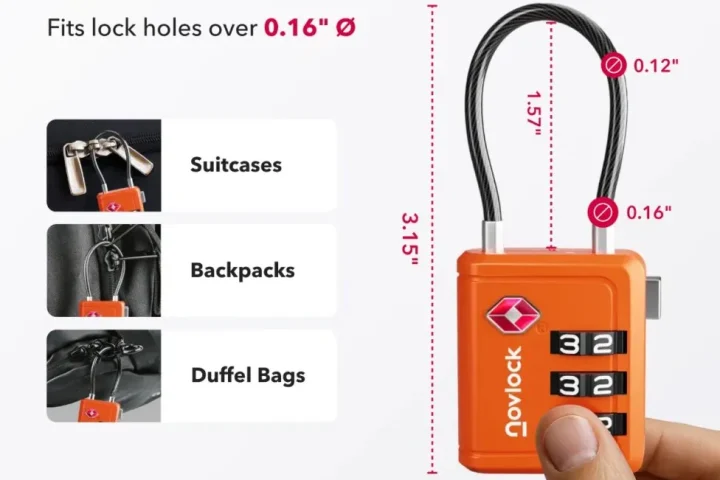
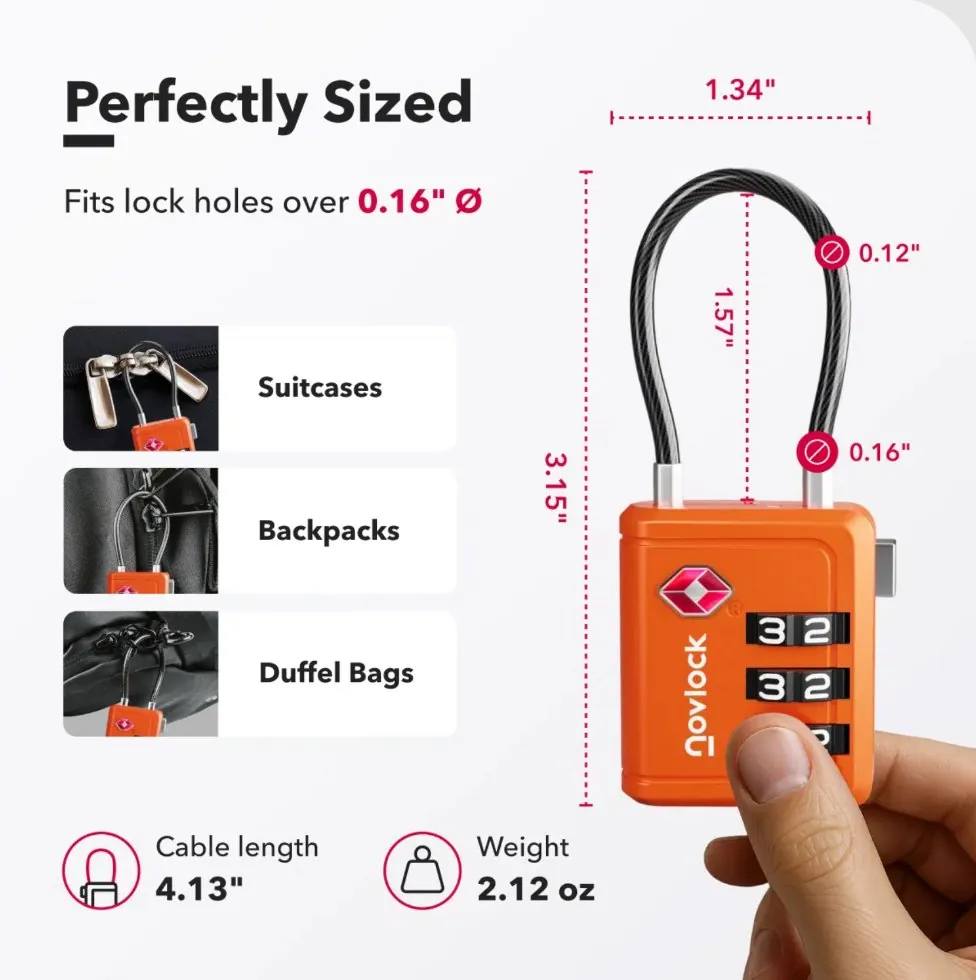
This has direct consequences for your design. Think of sufficient contrast in your infographics, scalable typography and correct use of alt texts for screen readers. But make no mistake: an accessible design is often a better design for everyone. It forces you towards clarity and simplicity, which benefits conversion. On top of that, Google rewards accessible pages with better rankings. Ignoring this standard in 2026 is an unnecessary risk.
Conclusion: your action plan for tomorrow
Listing design in 2026 has grown up. It is a mix of branding, technology and psychology. Brands that stay stuck in “we have always done it this way” will lose market share to players who dare to innovate with 3D, personalisation and inclusivity.
Take a critical look at your top 5 best-selling products. Do they feel like an experience, or like a registration? Is the content accessible? Is doubt taken away? If you would like to brainstorm about this or are curious how we can lift your listings to a 2026 level: get in touch with us. We are happy to help you turn viewers into buyers.

Melle Sikma
Helmsman
melle@brandmonks.nl