
Why plenty of product information is there but does not help people choose
Improving the product information in your web shop is not about more text, but about better answers to the questions customers have before they buy.
Strong product information makes clear what someone is buying, why it is relevant, which choice they need to make and why ordering feels low-risk.
Many product pages already contain product information. There is a title, a description, a few specifications, perhaps some bullets and a number of images. Even so, the page sometimes stays unclear. The visitor roughly knows what the product is, but not with enough certainty whether it fits their situation. And that is exactly where conversion disappears.
The problem is usually not that nothing is there. The problem is that the information is too general, too scattered or written too much from the supplier’s point of view. Specifications are copied without explanation. Benefits remain marketing speak. Images show the product, but text and image do not work together. The visitor then gets data, but not yet the confidence to buy.
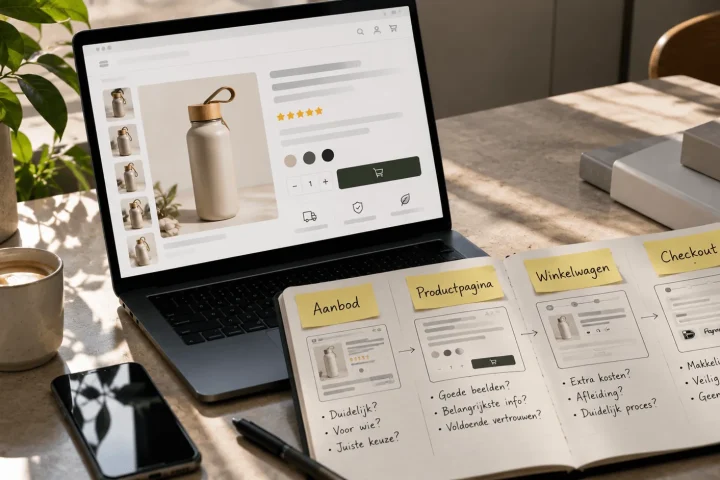
That is why at BrandMonks we look at product information as part of product content. Text, specifications, visuals, USPs, FAQ and reviews must together form one clear product page. Not everything has to be at the top, but everything does have to help people choose.
Start with your customer’s buying questions
Good product information starts with the question of what someone needs to know to order with confidence. That differs per product category. For clothing it is often about size, fit, material and colour. For technical products it is about compatibility, dimensions, functions and installation. For home products it is about scale, atmosphere, material and maintenance.
Many web shops still start from internal product data: item number, size, colour, stock, material and short description. That information is needed, but it is not automatically customer-focused. A customer does not just want to know that a product is made of aluminium. They want to know what that means: lighter, sturdier, rust-free, low-maintenance or actually more prone to scratches.
That is why product information should always bridge the gap from feature to meaning. What is it. What does it do. Who is it handy for. When is it the right choice. And when perhaps not. That honesty does not make product pages weaker, but more reliable.
Make specifications scannable and usable
Specifications are important, but they rarely convince when they sit in a long list at the bottom of the page without context. Dimensions, weight, material, contents, compatibility and maintenance must be easy to find, but above all easy to understand. A specification is only useful when the customer knows why that information is relevant.
That is why a clear structure works better than one block with all the data at once. The most important specifications belong close to the moment of purchase or in a clear summary. Deeper details can sit lower on the page, as long as they stay easy to scan. For products with a lot of technical information, a fixed specification structure can make comparing easier.
This ties in directly with product page structure in e-commerce. A product page should not tell everything at once. First the visitor needs to understand what the product is and why it is relevant. Then come specifications, proof and nuance.
Translate product features into customer benefits
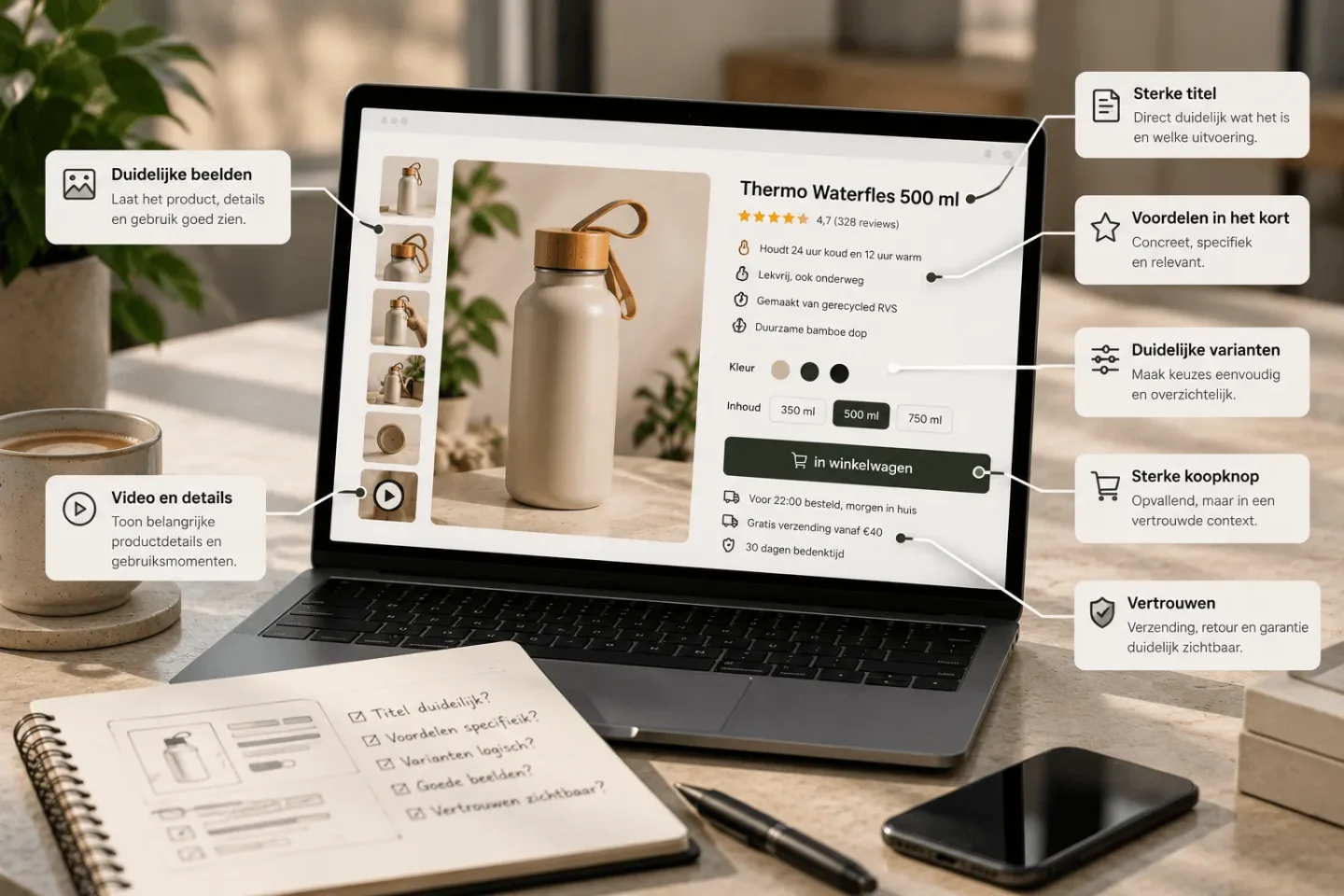
Product features say what something is. Benefits say why that matters. Many product texts get stuck on features: water-repellent, compact, adjustable, ceramic, double-walled, organic cotton. Those are useful words, but they only become strong when they are translated into customer value.
A compact design might mean the product takes up less space in a cupboard. Double-walled material keeps drinks warm for longer without the outside getting hot. Adjustability means several users can use the same product comfortably. That translation makes product information more sales-focused without going over the top.
For that layer, showing USPs on your product page is relevant. USPs work better when they are concrete and provable. Not “high quality”, but an explanation of where the quality lies. Not “easy to use”, but showing which moment of use becomes easier.
Combine product information with product photos
Product information is not only in text. A large part of what customers want to know has to be made visible. Photos and visuals can explain scale, material, colour, use, contents and details much faster than a paragraph. That is why the best product pages let text and image work together.
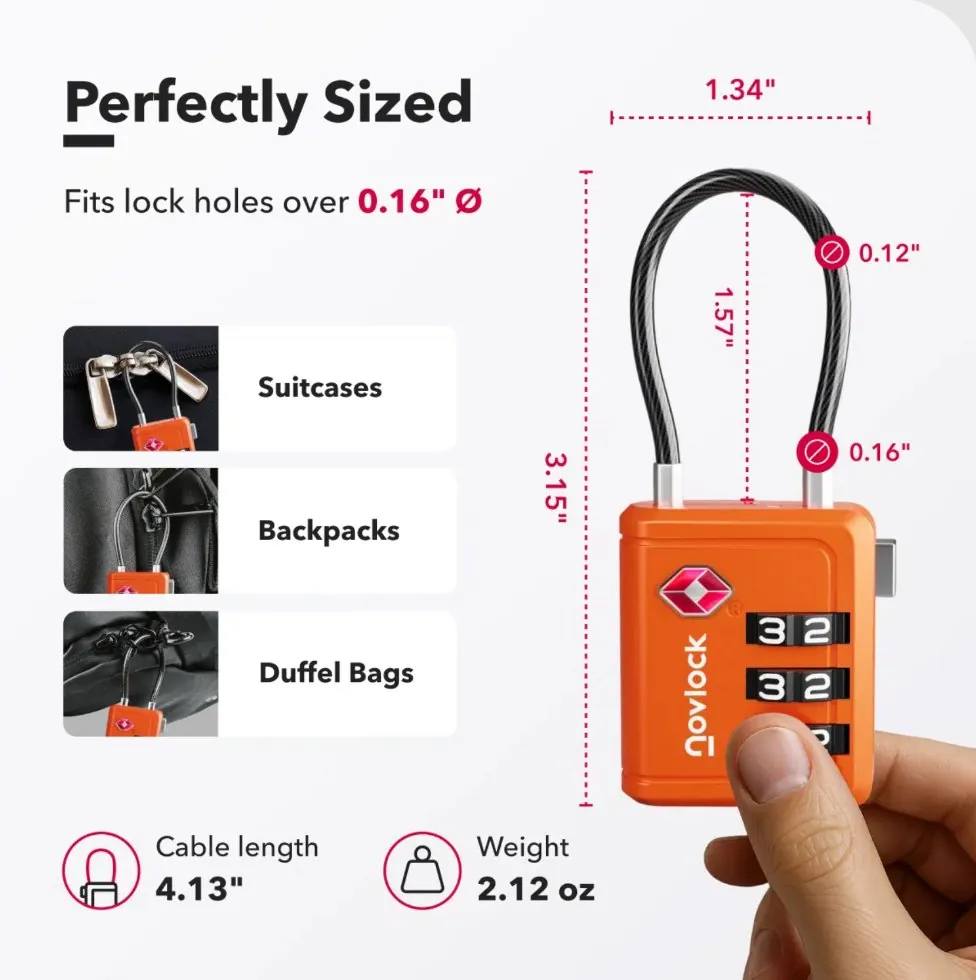
A product photo can show how big the product is, for example, while the text explains which situation that is handy for. A detail shot can show material or finish, while a short explanation translates the benefit. An infographic visual can show which parts are included or which variant suits which need.
That is why product images for more conversion is about more than photography. It is about the role each image plays in the decision. If image and text repeat the same thing, you get noise. If they complement each other, the product page becomes clearer.
Use frequently asked questions on the product page
Frequently asked questions are not only suited to a separate FAQ page. On product pages in particular they can take away doubt. If customers often ask whether something fits, how it is delivered, whether parts are included, how maintenance works or which variant they need, that answer belongs close to the product.
A good product page FAQ is short and specific. No general customer service questions, but questions that directly affect the purchase decision. Think of size, use, installation, maintenance, delivery, returns, compatibility or material. That way visitors do not have to go looking on another page just when they are about to buy.
FAQs can also reduce returns. If the same doubt keeps coming back, that is a sign the product information is not yet clear enough. By answering those questions visibly, you help customers judge better whether the product really suits them. That ties in logically with reducing returns in your web shop.
Keep product copy sales-focused but honest
Product copy that sells does not have to be overly commercial. In fact, too many promises can damage trust. The best product copy makes a product attractive through clarity. It names benefits, but stays concrete. It helps people choose, but does not hide information that could lead to disappointment later.
Honesty matters most for products with clear limitations. A product may run small, need maintenance, not work with every device or be less suited to intensive use. By communicating that kind of information clearly, you prevent the wrong customers from buying. That may feel risky, but it often leads to better orders.
For increasing product page conversion that is important. Conversion is not only about getting more people to click, but about getting the right people to buy with enough confidence. Good product information increases trust and reduces needless doubt.
Make product information scalable for larger ranges
For one product you can improve product information by hand. For a web shop with dozens or hundreds of products you need a system. Otherwise one product gets strong copy, another only supplier text and yet another good images but mediocre specifications.
Scalable product information starts with fixed content rules. Which elements are mandatory per product type. Which specifications must always be filled in. Which benefits you translate into customer language. Which image roles belong to this category. Which FAQ questions come back as standard. And which information changes per variant.
That is why at BrandMonks we often work from templates and components. Not to make all product pages the same, but to make quality repeatable. That way you can improve product information faster without writing every page from scratch again. It fits a broader web shop approach in which content, visuals and conversion come together.
When it makes sense to have your product information improved
Having your product information improved makes most sense when you notice that visitors do look, but do not buy enough or do not gain enough trust. Lots of customer questions, returns, low add-to-cart rates or varying quality between product pages can also be signals. Then the problem is not necessarily your product, but how well the page explains the product.
An outside view helps most when you are too close to the range internally. Teams often know their products so well that they forget which information is not obvious to new customers. What sounds logical internally can be too vague online. And what looks complete in a spreadsheet can still be hard to understand on a product page.
BrandMonks can make that translation from product data to sales-ready product content. We look at structure, text, visuals, USPs, specifications and repeatable formats. That way product information is not only better written, but also more visible and easier to apply at scale.
Frequently asked questions about improving product information
How do you improve product information in a web shop?+
Start with your customer’s questions. Make clear what the product is, who it is meant for, which specifications are important, which benefits are relevant and which details can take away doubt.
What is good product information on a product page?+
Good product information combines clear text, scannable specifications, concrete benefits, strong product images and answers to frequently asked questions. The information should help people choose, not just describe.
Why are product descriptions important for conversion?+
Product descriptions help customers understand what they are buying and why the product is relevant. If the information is clear and credible, doubt drops and the step to the basket or a purchase becomes easier.
Should product information mainly support SEO or conversion?+
Both, but the customer comes first. Keywords help with findability, but product information above all has to be clear, reliable and useful. A text that ranks well but does not help people choose achieves little.
Conclusion: better product information makes buying easier
Improving the product information in your web shop means your product pages leave less to guesswork. The customer understands more quickly what they are buying, why it is relevant, which specifications matter and which choice suits them best. That makes the page not only clearer, but also more reliable.
The biggest gain lies in text and image working together. Specifications give something to hold on to, benefits give meaning, product photos make details visible and FAQs remove the last doubts. When those elements are built up logically, buying feels less risky.
For BrandMonks, product information is therefore not a stand-alone writing job. It is part of e-commerce content that sells better, raises fewer doubts and can be applied at scale across product lines and ranges. That way product information becomes not only more complete, but above all more useful for customers who want to choose.

Melle Sikma
Helmsman
melle@brandmonks.nl