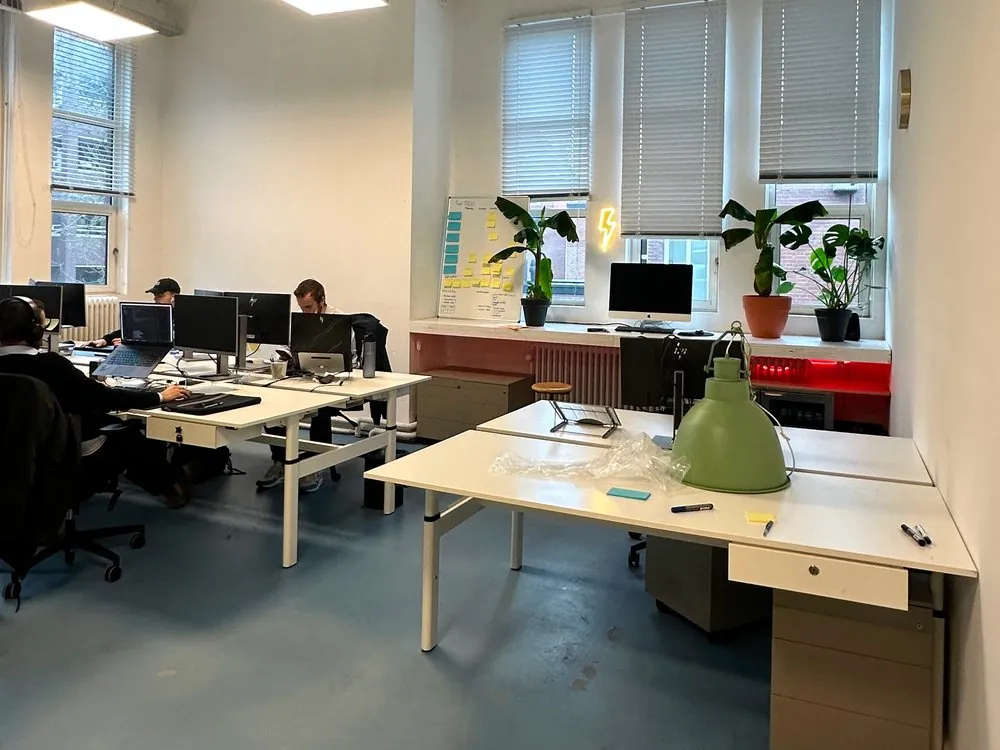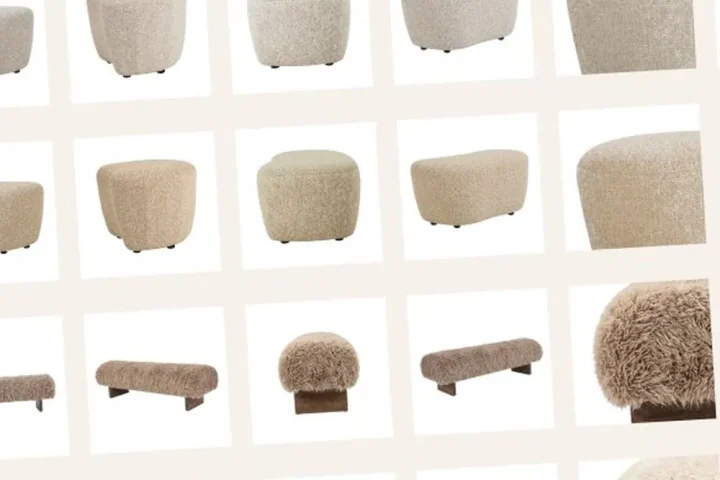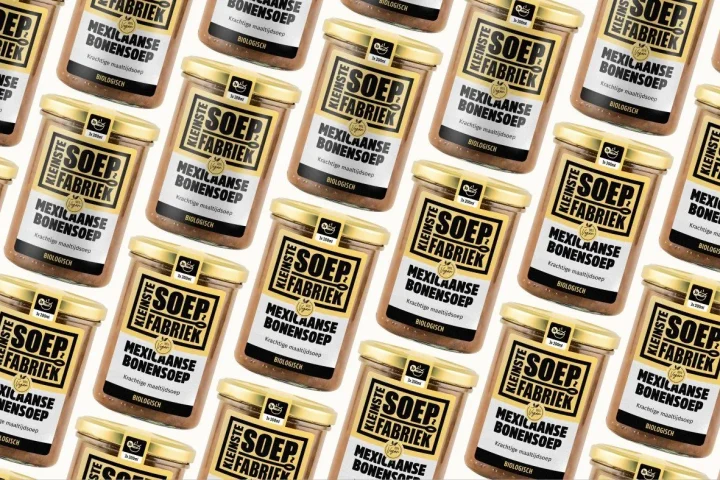

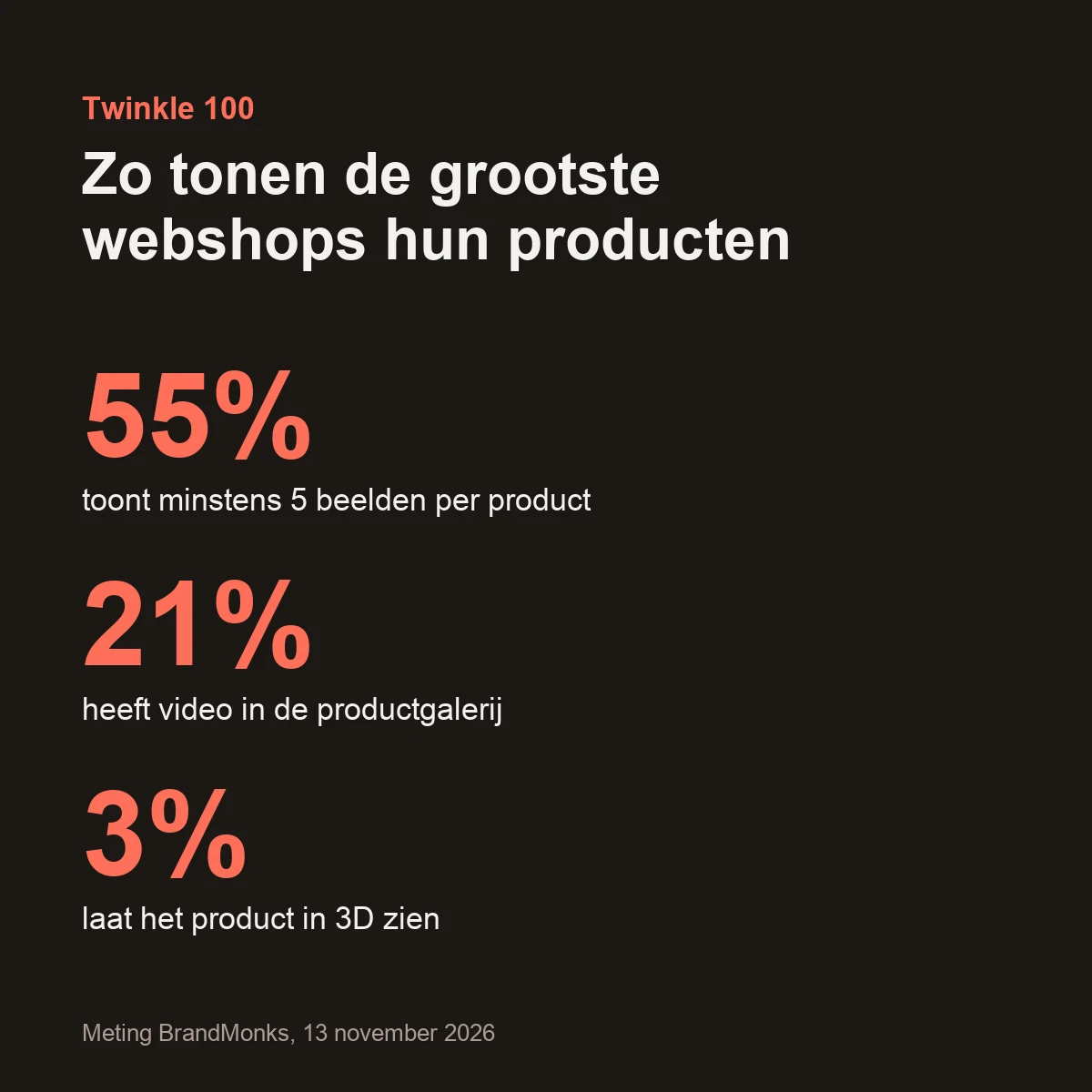
On 13 November 2026 we looked at the product pages of the largest web shops in the Netherlands, the shops in the Twinkle 100. Half show at least five images per product, two in three show the product in use or on a model, and only one shop lets you view the product in 3D.
In short
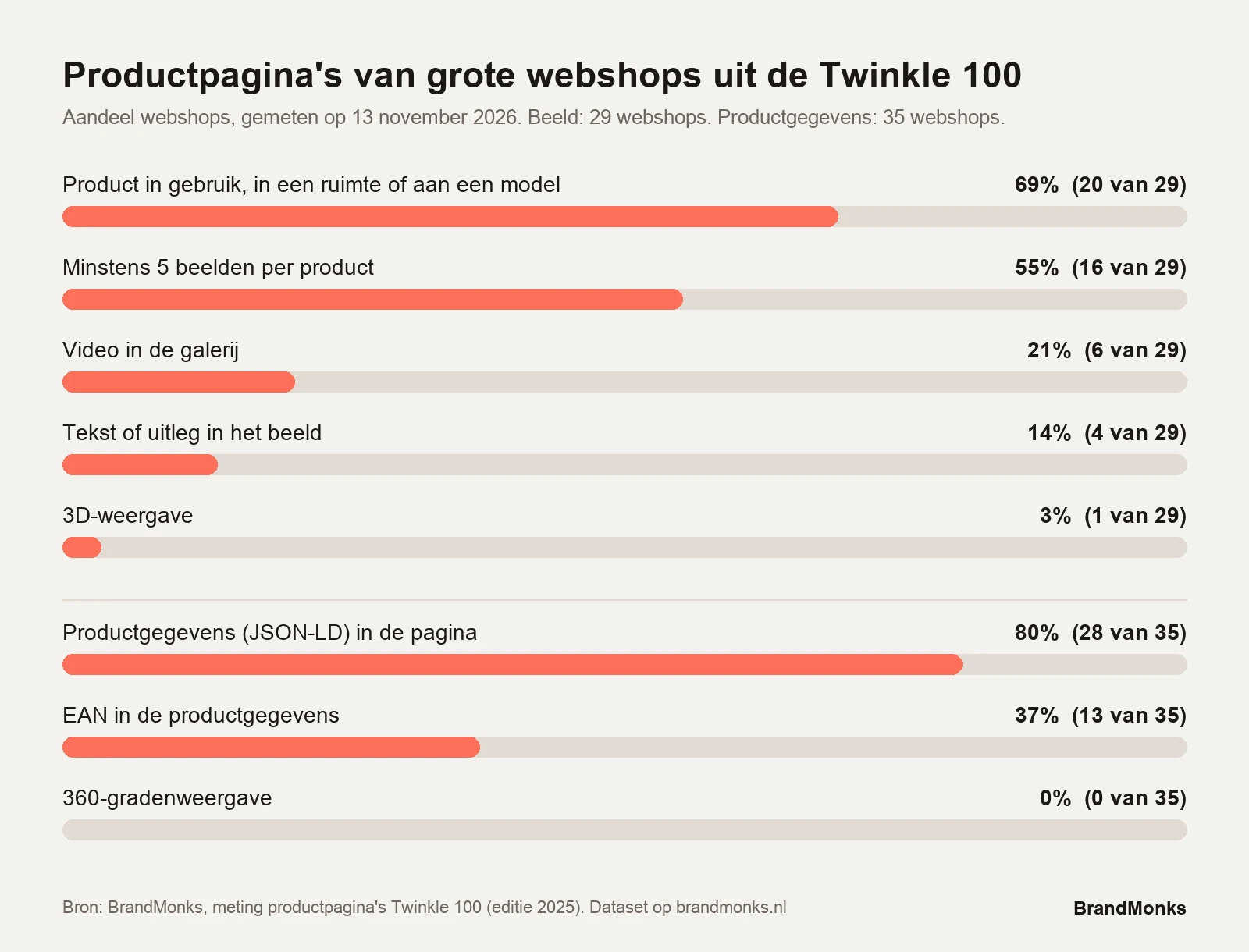
- 16 of the 29 shops we could assess show 5 or more product images. 2 shops showed a single image.
- 20 of the 29 show the product in a room, in use or on a model.
- We saw video at 6 shops, 3D only at IKEA, a 360-degree view at none.
- 28 of the 35 measured shops have Product data in their source code, but only 13 include the EAN.
Half of the largest web shops show at least five images per product
Five images is the median. Of the 29 web shops whose product gallery we could see properly, 16 show five or more. Coolblue stands out with at least twelve images and a video. Two shops in electronics and electrical supplies showed a single image for the product we looked at.
| Images per product (visible) | Web shops | Share |
|---|---|---|
| 1 image | 2 | 7% |
| 2 to 4 images | 11 | 38% |
| 5 to 9 images | 15 | 52% |
| 10 or more | 1 | 3% |
These numbers are a minimum. We counted what was visible on the page; galleries that continue as a grid below the fold, as at many fashion shops, often hold more images than we could count.
Two in three shops show the product in use
20 of the 29 web shops have at least one image in the gallery that shows the product in a room, being used or worn by a model. In fashion and home we saw this at every shop but one shoe shop: About You, C&A, ONLY and Omoda work with models, fonQ, IKEA, Smulderstextiel and Veneta with furnished rooms.
The shops without such images are mostly in computer parts, phones, electrical supplies and refurbished devices. Their galleries consist of packshots from different angles. That suits products chosen on specifications, but it also means a brand that supplies good in-use images stands out there.
Video appears in the gallery at 6 of the 29 shops, 3D only at IKEA
Coolblue, Etos, Expert, Omoda, Rituals and Veneta show a video in or next to the image gallery for the product we looked at. IKEA is the only shop with a “View in 3D” button on the product page. We did not come across a 360-degree view on any of the 35 sites we measured.
That stands out, because these shops have ranges where 3D pays for itself quickly: many variants in colour and material of the same product. Our article on the cost of 3D renders explains where that tipping point lies.
Only 4 of the 29 shops put text in their product images
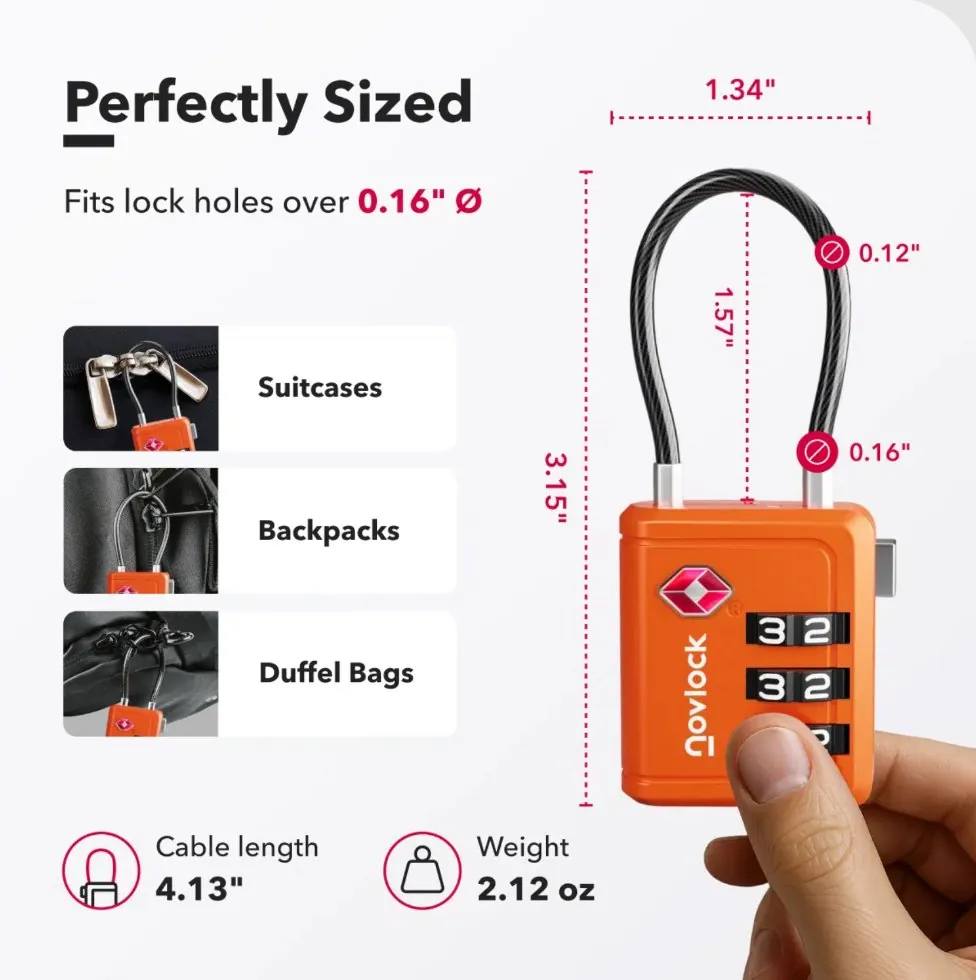
Images with an explanation in them, such as a size, a benefit or a quantity, we saw at Etos, Holland & Barrett, Plein and Praxis. At Etos, a pack of baby wipes says “24×54 = 1296 total wipes”, for example. The other shops leave that explanation to the text next to the photo.
On bol and Amazon it works differently. There we make image series with text for brands, because a buyer compares in the gallery before reading anything. A brand that sells through these large shops and through marketplaces therefore needs two image sets: a calm one for the web shops and an explanatory one for the marketplaces. What bol allows is in bol’s requirements for product photos.
One in five gives search engines no product data
28 of the 35 measured web shops put Product data as JSON-LD in the source code of their product page. That lets Google show price, availability and ratings in the search results. What is often missing is the EAN: only 13 shops include it. Google uses a GTIN to recognise the same product across different shops (Google Search Central, product data).
| Data in the source code (JSON-LD) | Web shops | Of the 35 |
|---|---|---|
| Product data | 28 | 80% |
| Brand | 26 | 74% |
| EAN or other GTIN | 13 | 37% |
| Average rating | 12 | 34% |
A caveat: we only looked for JSON-LD. A shop that puts product data in the page in another way counts as “no” here.
If you supply these shops, you supply the images too
A retailer can only show the images and data that are available. For a brand that supplies large web shops, these are the points we take from the survey:
- Supply at least five images per product. That puts you on a par with half of the largest shops.
- Include at least one image of the product in use, even in tech: that is exactly where it makes a difference.
- Keep a separate set with explanation in the image for bol and Amazon next to the set for web shops.
- Include the EAN in your product data, so retailers can put it in their pages and feeds.
We make such sets per channel from templates, so hundreds of products get the same structure. How that works is on content automation.
How we measured
The starting point was the 2025 Twinkle100 by trade magazine Twinkle and the Centre for Market Insights of the Amsterdam University of Applied Sciences, based on Dutch online revenue in 2024. Of the 100 shops we left out 32: marketplaces with seller content, supermarkets and meal delivery, gold dealers, daily deals, personalised print and holdings that cannot be traced to one web shop. That left 68 web shops that sell physical products on their own product pages.
For each shop we found three product pages through the site itself and had a browser load them on 13 November 2026. 18 shops block such visits; we did not get around that. For 15 others we found no product pages. That left 35 shops with 100 product pages in total. We read the structured data automatically. We assessed the number of images, video, 3D and the type of images per shop on a screenshot of one product page; that worked for 29 shops.
Three product pages per shop say nothing about the whole range, and a gallery can differ per product. Read the figures as a snapshot of what a visitor saw on 13 November 2026. All measurements per shop are in the dataset (CSV), without shop names but with the sector.
Declaration of interest: BrandMonks makes product images, 3D renders and video for web shops and brands. None of the shops measured took part in or paid for this survey.

Melle Sikma
Helmsman
melle@brandmonks.nl